The Evolution and Future of Browser Games
Executive Summary
Browser games have evolved from simple text-based games into a robust platform powered by HTML5 and WebGL...
History of Browser Games
Browser games began in the 1990s as simple text-based online games...
Key Genres in Browser Gaming
- MMORPGs: RuneScape (2001)
- Social/Casual Sims: FarmVille (2009)
- Puzzle/Arcade: Casual match-3, word games, endless runners...
- .io Multiplayer: Agar.io (2015)
- Strategy/Simulation: Travian, OGame...
Examples: RuneScape (MMORPG, 2001), FarmVille (social sim, 2009), Agar.io (.io action, 2015)...
For more technical insights, check out the MDN Web Game Development Guide.
Technical Platforms and Technologies
Modern browser games use open web standards with no plugins. The HTML5 <canvas> element, CSS, and JavaScript form the core platform; WebGL adds hardware-accelerated 3D graphics (an open standard based on OpenGL ES). Today’s browsers have powerful JavaScript engines and APIs: Mozilla notes they can render “stunning, top-notch games”. Because HTML5 games run on any browser, they automatically support multiple devices. WebAssembly (WASM) even lets developers compile C#/C++ code for near-native performance. In short, the modern web platform (HTML5 + WebGL + WASM) powers today’s browser games.
Flash is now obsolete: Adobe ended Flash in 2020 and all new browser games use HTML5/JavaScript instead. Emerging standards like WebGPU will further boost browser game graphics. (See Mozilla’s official MDN guide “Introduction to game development for the Web” for an authoritative overview of these technologies.)
Monetization Models
Most browser games follow free-to-play patterns. Industry guides explain the two most common strategies are in-app purchases (IAP) and advertising. In practice:
- In-App Purchases (IAP): Selling virtual goods, upgrades, or currency inside the game.
- Advertising: Displaying ads (banner, interstitial, video, or rewarded videos) to earn revenue. Rewarded ads (players opt-in to watch for bonuses) are common in web games.
- Subscriptions/Premium: Some games offer optional membership tiers or sell a one-time “premium” version.
- Other Models: Sponsorships, affiliate links, or crowdfunding appear in niche cases.
A major benefit is that developers keep nearly 100% of revenue. Browser games run on the open web (not inside an app store), so creators don’t pay a 30% platform fee. This lets small studios or indies monetize more effectively. For example, Google’s industry blog highlights that HTML5 games can unlock revenue at low cost by using web ad networks (no app store cut).
Player Demographics and Trends
About 3.6 billion people were playing games globally in 2025, and many of these enjoy browser games. These games tend to attract casual audiences across all demographics. For instance, many adults and families play quick web games, while younger players often engage with viral .io and social games. Gaming is roughly gender-balanced (≈46% female in surveys), and browser games reflect this mix. Social features (sharing, multiplayer modes) help broaden appeal.
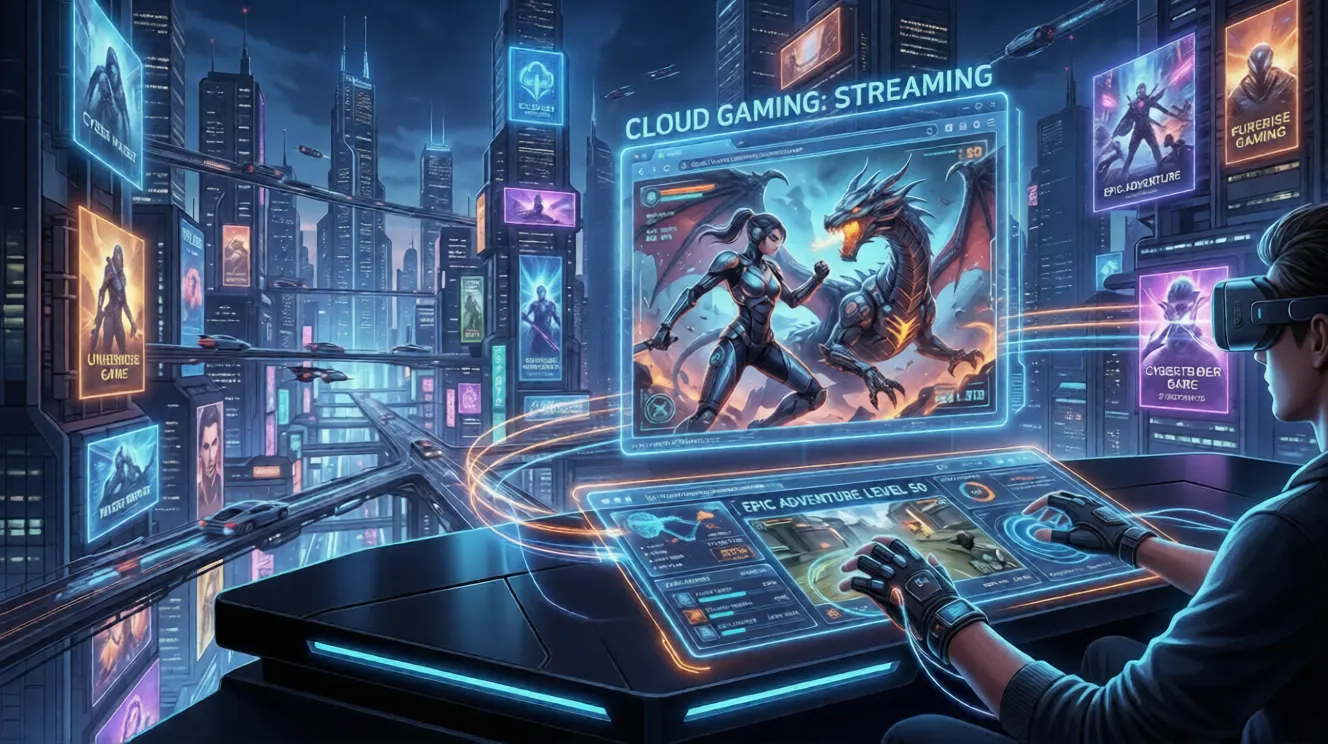
Trends indicate browser gaming remains steady even as mobile growth slows. In regions with limited hardware, HTML5 games (like mini-games on chat apps) are especially popular. Additionally, the growth of cloud streaming (e.g., Google Stadia, Xbox Cloud) means console-quality games are increasingly playable in browsers. Overall, the web continues to offer a huge audience for game developers.
Design Best Practices
To succeed in the browser, games should be optimized for the web environment:
- Fast Loading: Compress assets (images, audio, code) to minimize load times. Use techniques like lazy-loading. Browsers must load games quickly or players will leave.
- Responsive Controls: Support both mouse/keyboard and touch. Ensure UI elements scale for mobile and desktop.
- Short Sessions: Design gameplay for brief play sessions and clear goals, as many web gamers play intermittently.
- Intuitive UI/UX: Offer simple controls and on-screen hints. Provide a quick tutorial or automatic play if possible. Because there’s no install, lowering the onboarding barrier is key.
- Cross-Browser Testing: Verify the game works smoothly on all major browsers (Chrome, Firefox, Safari, Edge) and platforms.
- Accessibility: Include subtitles, high-contrast visuals, and keyboard navigation where feasible to reach more players.
- Social Integration: Add easy sharing (post scores or achievements) and friend invites to boost virality.
- Gentle Monetization: Integrate ads or IAP carefully so they don’t disrupt play; for example, use ads between levels or optional reward ads.
Following these practices makes browser games more engaging and user-friendly, which improves player retention and revenue potential.
Future Outlook
The future looks bright for browser games. WebAssembly and emerging APIs like WebGPU will allow even richer graphics and near-native performance in-browser. Developers are already streaming triple-A games via browsers, hinting that high-end titles will become instantly playable. New web standards (WebXR) may bring AR/VR experiences to web games without extra apps. As with all web content, browser games will enjoy instant updates and cross-device play: a player could start on desktop Chrome and continue on mobile Safari seamlessly.
In short, as browsers grow faster and more capable, browser games will expand in scope and sophistication, solidifying the web as a universal gaming platform.
FAQ
Q1: What are browser games?
Browser games are video games played directly in a web browser without needing a download. They use technologies like HTML5, CSS, JavaScript, and WebGL, so you simply visit a website or click a link to play.
Q2: What technologies power browser games?
They rely on standard web tech: HTML5 (including <canvas> for graphics), CSS, and JavaScript. For 3D graphics, they use WebGL (an open standard). Modern games may also use WebAssembly for performance. These technologies work across all major browsers.
Q3: Are browser games still popular?
Yes. Browser games remain widely played, especially by casual gamers. For example, Zynga’s FarmVille saw ~80 million active users at its peak, and Agar.io hit around 60 million monthly players. With billions gaming worldwide, browser games still attract large audiences due to their instant accessibility.
Q4: How do browser games make money?
Most use ads and microtransactions. Games are often free-to-play, supported by banner/interstitial/video ads. Players can also buy virtual goods or currency (IAP) in the game. Some titles offer optional premium subscriptions or content packs. Crucially, browser game developers keep nearly all revenue (no 30% app store cut).
Q5: What are some examples of browser games?
Popular examples include RuneScape (a browser MMORPG, launched 2001), FarmVille (a social farming simulator on Facebook, 2009), Agar.io (a free .io multiplayer game, 2015), Slither.io (2016), Cookie Clicker (an incremental clicker game, 2013), and classic Flash games like tower-defense titles. These illustrate the variety of browser gaming.
Q6: Is Adobe Flash still used?
No. Adobe ended support for Flash in late 2020. Modern browsers no longer run Flash content. Today’s browser games are built with HTML5 and JavaScript (or WebGL). Many old Flash games have been ported or preserved via emulators.
Q7: What is the future of browser games?
Advances in web technology will keep browser games growing. WebAssembly/WebGPU will enable more complex games. Cloud streaming will let even console-quality titles play in a browser. Web APIs for AR/VR will add immersive options. In short, the web’s ubiquity and flexibility will keep browser games relevant and innovative.